


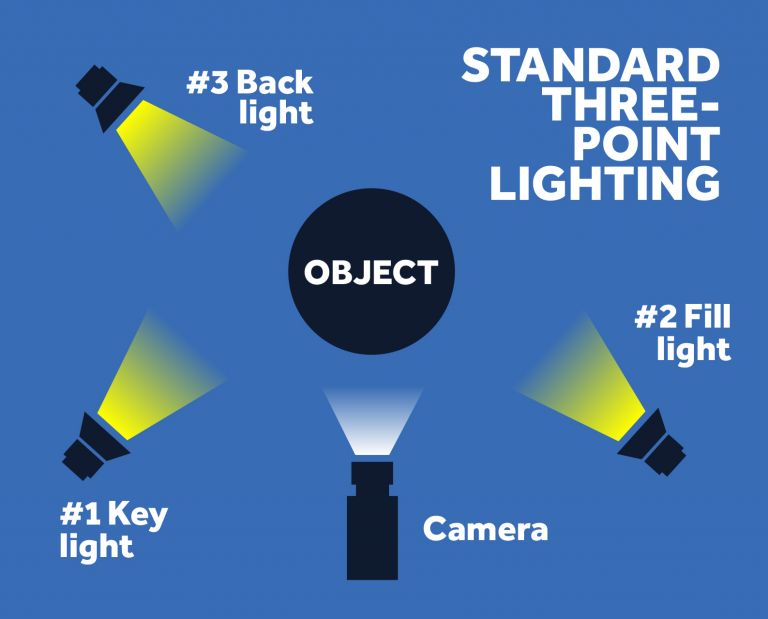
Key Light: Your main, brightest light.
Fill Light: A softer light to reduce shadows from the key light.
Backlight: Placed behind to separate you from the background.
- Utilize Natural Light: Position yourself facing a window for soft, natural lighting, but avoid having the window behind you to prevent silhouetting.
- Diffuse Your Lights: Use softboxes, white curtains, or parchment paper to soften artificial lights, creating a more flattering, less harsh appearance.
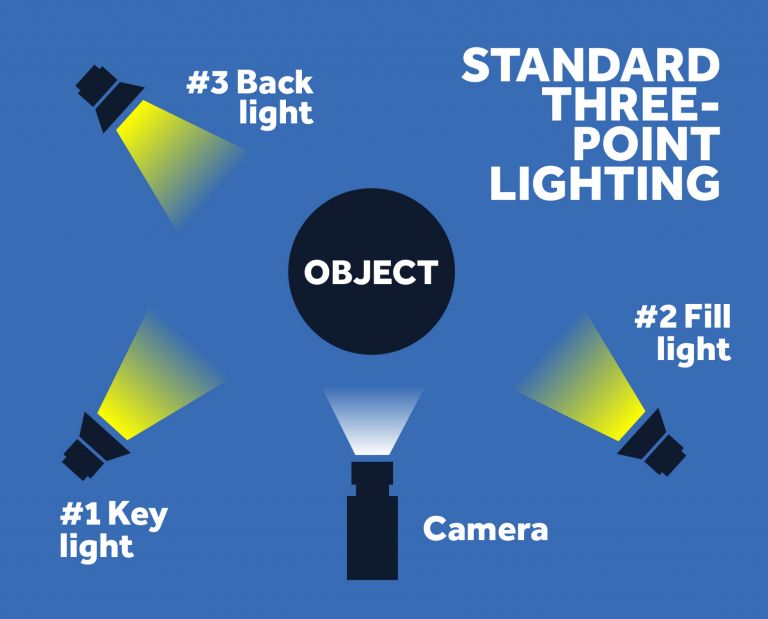
- The 3-Point System:
- Key Light: Your main, brightest light.
- Fill Light: A softer light to reduce shadows from the key light.
- Backlight: Placed behind to separate you from the background.
- Add Depth with Backlighting: Position yourself away from the background and use a backlight (like a desk lamp or LED panel) to create separation and depth.
- Control Colour Temperatures: Avoid mixing different light types (e.g., warm desk lamps and cool daylight), which can create unnatural colours and issues with white balance.
- Budget Options: Use household lamps, white foam board reflectors, or affordable ring lights for a simple, cost-effective setup.
- Reduce Reflections: If wearing glasses, raise your lights higher and angle them downward to avoid screen glare.
For beginners, starting with a single, large, diffused light source is often sufficient to make a significant improvement.